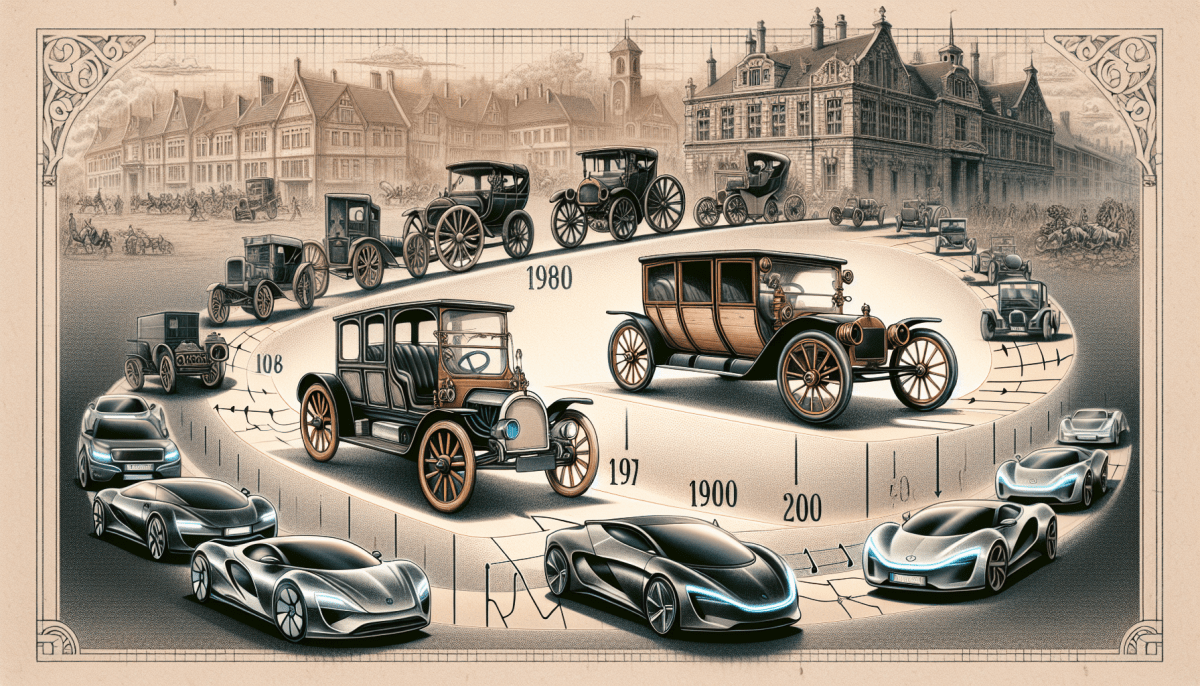
Electric cars actually have a pretty cool history! The first real electric car showed up way back in the 1830s. An inventor named Ányos Jedlik created a small-scale model of a vehicle powered by electricity. This idea caught on, and by the late 1800s, bigger electric vehicles started appearing. People loved them because they were quiet and didn’t smell like gas.
In the early 1900s, electric cars were seriously popular. In fact, they made up a large chunk of the car market. Many folks preferred them over gas cars since they were easier to handle, especially in city traffic. But then, along came the gasoline engine. Cars like the Model T became affordable for everyday people, and electric vehicles began to fade away.
Fast forward to the 1960s and 70s, and electric cars started making a comeback, especially due to the oil crisis. People wanted alternatives to gas, and electric vehicles looked appealing again. But it wasn't until the 1990s that we saw some major strides. Cars like the GM EV1 hit the roads, showing that electric vehicles could be both feasible and fun to drive.
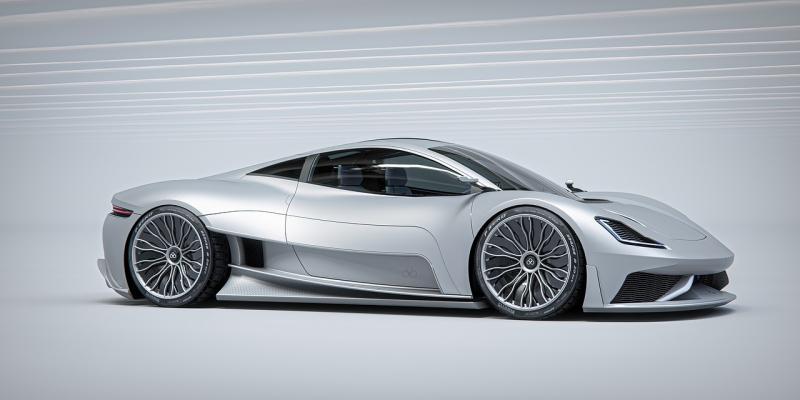
Now, in the 21st century, electric vehicles are back and better than ever. Companies like Tesla and Nissan are rolling out impressive models that have long ranges and fast charging options. Plus, the growing awareness about climate change pushes even more people toward these eco-friendly rides. It's exciting to see where electric cars are heading next!
Key Milestones in EV Development
Electric vehicles (EVs) have come a long way since their humble beginnings. One of the first notable milestones dates back to the 1820s when inventors like Ányos Jedlik and Thomas Davenport started experimenting with small electric motor systems. These early prototypes were often small and not practical for everyday use, but they laid the groundwork for future developments.
Fast forward to the 1970s, during the oil crisis, interest in EVs surged again. Companies like General Motors began exploring electric options, leading to the release of the EV1 in 1996. This car symbolized a new era for electric mobility, even though it struggled to gain a wide audience. People were just not ready to embrace electric cars yet.
Jumping ahead to the mid-2000s, we saw a significant shift with the launch of the Tesla Roadster in 2008. This was a game-changer. Tesla showed the world that EVs could be fast, stylish, and desirable. It sparked a lot of interest in electric vehicles, pushing other manufacturers to jump on the bandwagon.
Today, the scene is buzzing with options. Companies all over are rolling out electric models, from compact cars to SUVs and even trucks. Innovations in battery technology and charging infrastructure are making EVs more accessible than ever. People are beginning to see them as a practical choice for everyday driving, not just as an alternative.
Modern Innovations in EV Technology
Electric vehicles have come a long way, and modern innovations are pushing the envelope even further. Today, we’re seeing advanced battery technologies that allow for longer ranges and faster charging times. No one wants to spend half their day at a charging station, right? So, companies are now developing batteries that can fully charge in under an hour, which is a game-changer for EV owners.
Another cool innovation is the rise of smart chargers. These chargers can connect to your phone, helping you monitor your vehicle’s charging status. Imagine getting a notification when your car is ready to hit the road again! Some chargers even let you schedule charging during off-peak hours to save on electricity costs.
Then there’s the integration of renewable energy. Some EV owners are pairing their chargers with solar panels, creating a self-sustaining energy cycle. This means charging your car can be cleaner and cheaper, which is a win-win for the environment and your wallet.
Lastly, let’s not forget about the software side of things. Many EVs come with advanced features like over-the-air updates. This means your car can continuously improve without you needing to visit a dealership. It’s like having a smartphone on wheels, getting better with time!
The Future of Electric Vehicles
Every day, electric vehicles (EVs) are becoming a bigger part of our lives. It’s exciting to think about where this is all heading. With tech advancing, we’re seeing cars that can go further on a single charge and charge faster than ever. Imagine zipping around town with a battery that lasts a week — that’s not too far off!
Charging stations are popping up everywhere, making it easier than ever to find a place to power up. Some cities are even putting charging spots along highways, so road trips become hassle-free. As more people switch to electric vehicles, the demand for more charging options will only grow. That’s great news for anyone thinking about switching from gas to electric.
Battery technology is also improving all the time. We’re getting batteries that are lighter and last longer. Think about it: longer ranges, quicker charging times, and lower costs. Plus, with growing concerns about the environment, more folks are looking to eco-friendly options. EVs are a big step in the right direction, and it feels good to be part of that change.
Companies are getting creative, too. We’re starting to see electric options in all sorts of vehicles, from sedans to trucks. Plus, there are cool innovations coming like self-driving tech that pairs perfectly with electric power. The future of driving looks bright, and it's all about making life easier and greener.